Ruins to Radiance: The American Neon Artists Turning Forgotten Factories Into Electric Sanctuaries
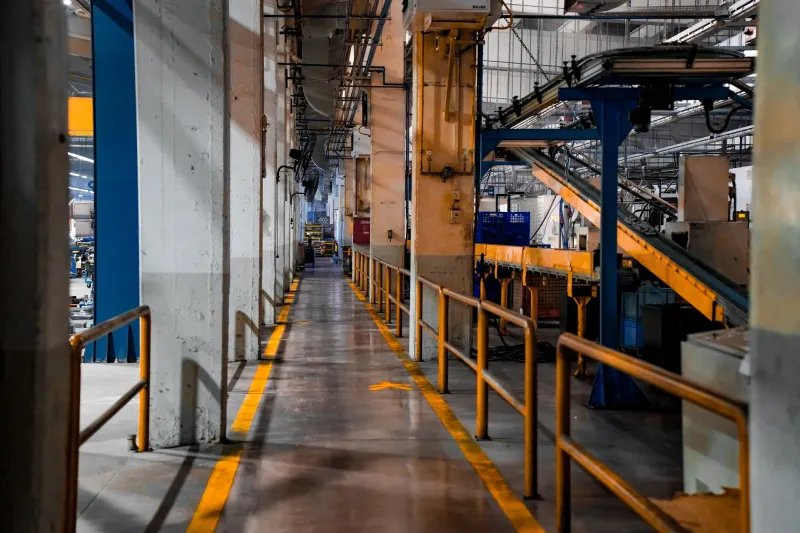
There's a particular kind of silence inside an abandoned factory. The kind that settles into your chest. Cracked concrete, ghost machinery, light filtering through busted skylights like it's apologizing for showing up. These spaces carry weight — decades of labor, of community, of economic tides that turned and didn't come back.
Now, a growing crew of American neon and light artists are walking into that silence and answering it with something electric.
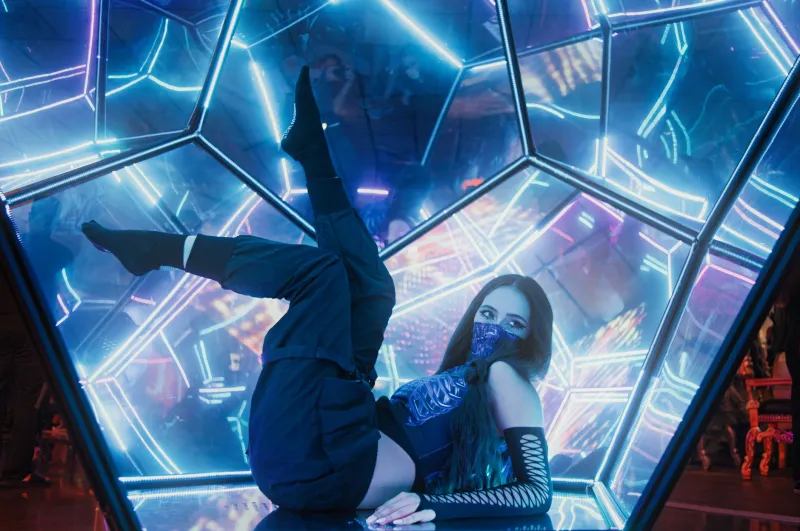
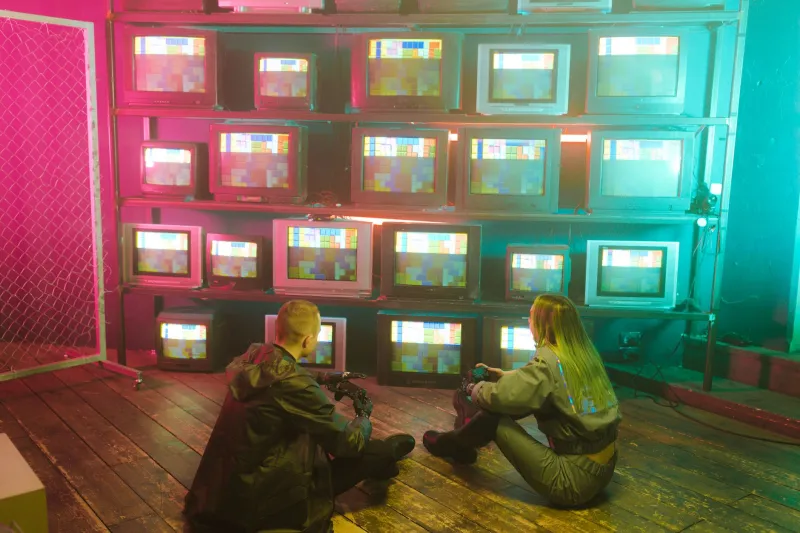
Across cities like Detroit, Pittsburgh, and Baltimore, large-scale immersive installations are turning derelict warehouses, shuttered rail yards, and forgotten factory floors into something that honestly defies easy categorization. Part gallery, part public art, part luminous spiritual experience — these projects are pulling communities back into spaces they'd written off, and doing it through the universal language of light.
Why Industrial Ruins?
Ask any of the artists working in this space and you'll get variations on the same answer: the architecture does half the work.
Abandoned industrial buildings have a raw visual grammar that finished gallery spaces simply can't replicate. Rusted steel beams, exposed brick, soaring ceilings, the skeletal remains of conveyor systems — all of it becomes a canvas with depth, texture, and history. When you run neon tubing through that environment, or flood a cavernous space with shifting colored light, the contrast is visceral. The glow doesn't erase the ruin. It converses with it.
There's also something intentional happening around the concept of reclamation. Many of the artists drawn to this work grew up in or near the communities these buildings once anchored. Telling those stories through light — rather than through a historical plaque or a demolition notice — feels like a fundamentally different act.
Detroit: Light in the Bones of the Motor City
Detroit has become something of a spiritual home for this movement, which makes sense given the scale of its industrial legacy and the depth of its vacancy crisis. At its peak, the city's manufacturing infrastructure was among the most extensive in the world. What that peak left behind, decades later, is an inventory of architectural bones unlike anywhere else in America.
Artists working in Detroit's vacant corridor have been experimenting with neon and LED installations inside former auto component plants and packaging warehouses for years, but the work has grown considerably more ambitious. Multi-room installations now guide visitors through entire building floors, using color temperature and rhythm to shift emotional register from space to space. One installation concept that's circulated in Detroit's art community involves mapping the original factory's production workflow onto a light sequence — workers' movements through the space, retraced in glowing arcs.
The city's own planning conversations have started to catch up. Adaptive reuse discussions increasingly involve artists and creative organizations at the table, not as afterthoughts but as early stakeholders who understand what these buildings mean to the people who live near them.
Pittsburgh: Neon Meets Post-Industrial Cool
Pittsburgh has been navigating its post-steel identity longer than most American cities, and it shows in how fluidly the creative community has learned to work within industrial contexts. The city's Lawrenceville and Strip District neighborhoods have both seen former warehouse and manufacturing spaces converted into hybrid arts venues, and the light installation scene there reflects a more established infrastructure for this kind of work.
What's interesting about Pittsburgh's approach is the degree of collaboration between artists and urban planners. Rather than guerrilla occupations of truly derelict spaces — which carries real safety and legal complexity — Pittsburgh has developed a model where temporary installation permits allow artists to activate vacant properties on defined timelines. It gives property owners a reason to maintain structural safety, gives artists legitimate access, and gives neighborhoods a reason to pay attention to a building that might otherwise just be waiting for a demolition order.
The neon and light work coming out of these partnerships has ranged from intimate single-room pieces to building-wide projections that use the exterior facade as a screen, pulling the installation out of the private space and into the street entirely.
Baltimore: Rail Yards and the Geography of Glow
Baltimore's abandoned rail infrastructure presents a different kind of canvas — linear, sprawling, with a distinct relationship to movement and transit that artists have leaned into creatively. Former rail yards on the city's west side have hosted walk-through light experiences that use the physical logic of tracks and platforms to guide visitors through narrative arcs built entirely from color and luminosity.
The rail yard setting also carries a specific cultural resonance in Baltimore, a city whose relationship with its waterfront and industrial corridors is deeply tied to questions of neighborhood displacement and economic inequality. Artists working in these spaces have been deliberate about community engagement, running workshops and open studio events that invite local residents into the creative process before the finished installation opens. The result is work that feels rooted rather than parachuted in — light that belongs to a place because the people from that place helped shape it.
The Sacred Space Question
Something keeps coming up in conversations around this work, and it's worth sitting with: visitors consistently describe these installations using language that edges toward the spiritual. Words like cathedral, sanctuary, transcendent. That's not accidental.
There's a long tradition of using light architecturally to create experiences of awe — stained glass, candlelit vaulted ceilings, the deliberate manipulation of natural light in sacred buildings. What neon and electric light artists are doing in industrial ruins taps into that same human wiring. The scale of these spaces, the quality of the light, the immersive surround — it bypasses the analytical brain and hits somewhere older.
For communities that lost something real when these buildings went dark, walking back into them transformed by light can carry genuine emotional weight. It's not nostalgia. It's not erasure. It's something more like acknowledgment — a way of saying this place mattered, and it can matter again, differently.
What Comes Next
The movement is growing, and the infrastructure around it is maturing. More cities are developing frameworks for temporary and permanent creative activation of vacant industrial properties. Foundations focused on arts and urban revitalization are funding larger, more ambitious projects. And the audiences showing up — not just art-world insiders but families, longtime neighborhood residents, curious visitors — suggest that this kind of work has a reach that more conventional gallery programming simply doesn't.
The challenge, as always, is keeping the work genuinely connected to the communities it inhabits rather than becoming a gentrification accelerant dressed in neon. The artists doing this most thoughtfully are the ones who treat community relationship as part of the creative process itself, not a box to check after the installation is designed.
But when it lands right — when the light fills a space that's been dark for twenty years and people walk through it and feel something shift — there's nothing quite like it. Ruins to radiance. That's the whole story, glowing.