Glow in the Dark: How Indie Filmmakers Are Painting American Cinema in Neon
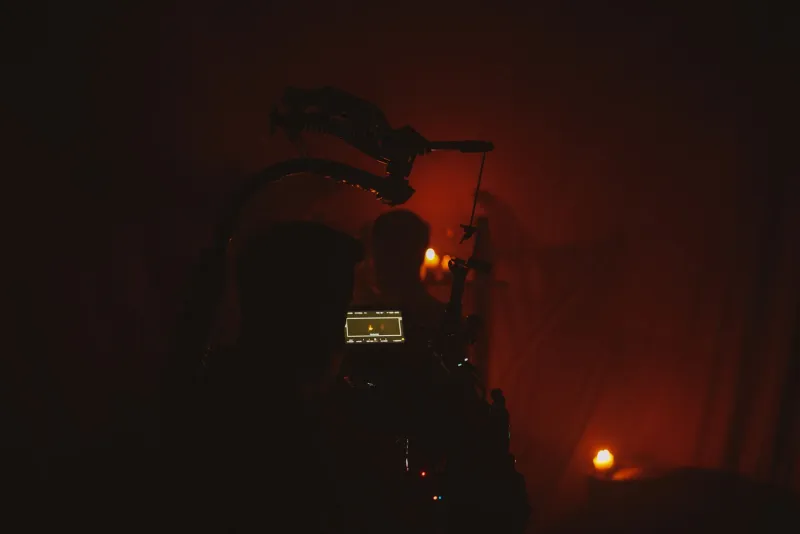
There's a scene in Portland-based director Maya Solís's short film Ultraviolet Hours where the protagonist stands in a rain-soaked alley, her face split between deep magenta and cold cyan. No natural light. No apology. Just pure, weaponized color. It lasts maybe twelve seconds, but audiences at the 2023 Northwest Film Festival couldn't stop talking about it. That image — visceral, electric, almost painfully beautiful — is the calling card of a movement quietly reshaping American independent cinema.
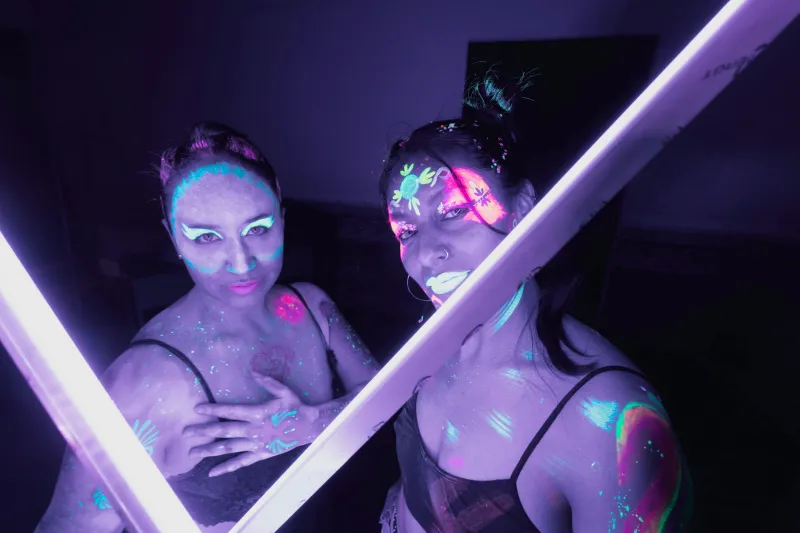
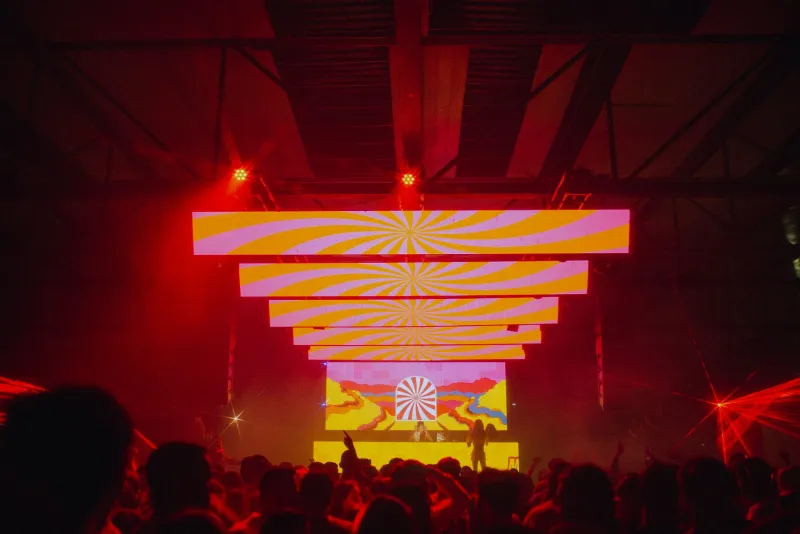
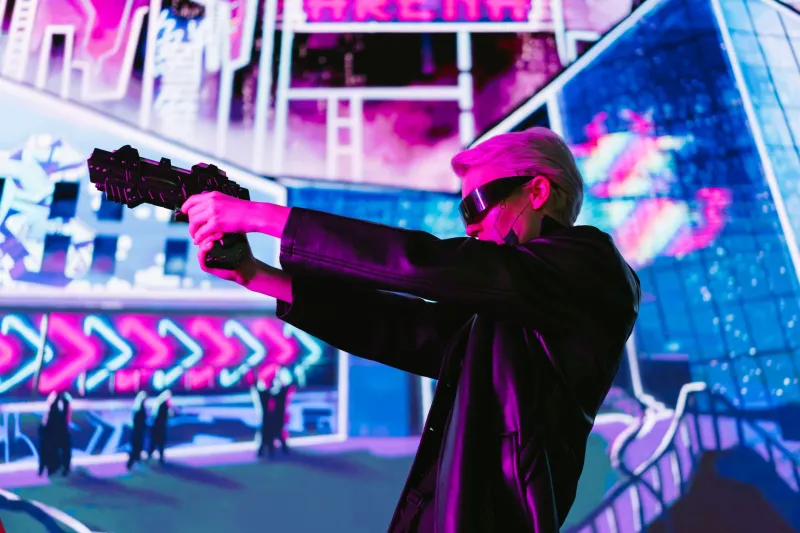
Call it neon noir. Call it synthwave cinema. Whatever the label, a growing cohort of low-budget filmmakers across the country is deliberately turning away from the desaturated, naturalistic aesthetic that dominated indie film for the better part of two decades. Instead, they're reaching for LED light panels, aggressive digital color grading, and a visual vocabulary borrowed from '80s retrofuturism, music videos, and the neon-drenched world of digital art. The results are films that feel less like documents of reality and more like transmissions from some emotionally supercharged parallel universe.
The Backlash Against Beige
To understand why this is happening now, it helps to think about what filmmakers and audiences have been swimming in. Prestige television — think the cool grays of Succession, the clinical whites of The Bear, the earthy tones of seemingly every Oscar drama since 2015 — has trained us to associate muted palettes with seriousness and emotional depth. The implicit message: restraint equals intelligence.
A lot of younger directors are exhausted by that equation.
"There's this idea that if your movie looks like a Terrence Malick film, it must be saying something important," says cinematographer Derek Huang, who is based in Austin and has shot three features on micro-budgets over the past four years. "But I grew up watching anime, playing games, looking at digital art online. That's where my visual brain lives. Why would I strip all that out just to seem credible?"
Huang's most recent project, a crime thriller set in Austin's East Side, uses a palette of deep purples and acid greens that owes as much to a neon sign shop as it does to any film school syllabus. Shot mostly at night with a combination of practical neon signage and portable LED rigs, the film looks like nothing playing at your local multiplex — and that's entirely the point.
LED Technology as the Great Equalizer
One reason this aesthetic is spreading so fast in indie circles is genuinely practical: the technology has finally caught up with the ambition. LED lighting has gotten dramatically cheaper and more versatile over the last five years. Color-tunable panels that once required a serious rental budget are now accessible to filmmakers working with almost nothing.
"When I was starting out, you needed a gaffer with a full grip truck to pull off anything close to this look," says Atlanta-based director Janelle Okafor, whose debut feature Static Bloom screened at several regional festivals last year. "Now I can throw a couple of RGB LED strips in my car and basically build the lighting design I want in an afternoon. It democratizes the whole thing."
Okafor's film — a psychological drama about two women navigating grief in a near-future Atlanta — uses neon not just as decoration but as emotional grammar. Warm amber and rose tones dominate scenes of memory and intimacy. Harsh blue-white and electric violet creep in during moments of dissociation and dread. The color does narrative work that dialogue doesn't have to.
That intentionality is a signature of this movement. These aren't filmmakers slapping a neon filter on footage in post and calling it a vibe. They're building lighting setups on set, thinking carefully about what each hue communicates, and then refining everything further in color grading — a process that has also become far more powerful and accessible thanks to software like DaVinci Resolve.
Portland, Austin, Atlanta: The New Neon Belt
Geography matters here. While the coasts have long dominated American indie film culture, the neon noir wave is drawing energy from cities that sit slightly outside the traditional industry orbit.
Portland's thriving DIY arts scene has been a natural incubator. The city's combination of moody Pacific Northwest weather, a dense concentration of working artists, and a culture that actively celebrates the weird has produced a cluster of filmmakers — Solís among them — who treat visual audacity as a baseline expectation rather than a risk.
Austin's deep roots in music and nightlife culture give its filmmakers a built-in affinity for the synthwave aesthetic. The city practically runs on live music energy, and directors like Huang are translating that into a cinematic sensibility that feels alive after midnight.
Atlanta, meanwhile, brings its own flavor. The city's enormous film industry infrastructure — built largely around studio productions — has created a generation of technically skilled local crew members who are eager to do something more experimental on their off hours. Okafor describes a collaborative ecosystem where people who spend their days on conventional sets are genuinely excited to spend their weekends doing something that looks nothing like it.
Emotional Frequency, Not Just Aesthetics
Ask any of these filmmakers why they gravitate toward neon and they'll eventually say something that sounds less like a conversation about lighting and more like a conversation about feeling.
"Neon is inherently emotional," Solís says. "It's artificial, but it's warm. It's bright, but it lives in the dark. That tension is exactly what I want in my stories."
There's a cultural hunger embedded in that statement. In an era where so much media — especially prestige television — prides itself on emotional complexity delivered through restraint, there's something almost radical about films that wear their emotional intensity on the outside. Neon cinema isn't subtle. It doesn't want to be. It's the visual equivalent of a synth lead cutting through a mix: immediate, physical, impossible to ignore.
Audiences, particularly younger ones shaped by digital art, video games, and music videos, seem to respond to that directness in a way that catches some critics off guard. Static Bloom earned a devoted following on the festival circuit not despite its visual extremity but because of it.
What Comes Next
The movement is still young and genuinely underground, but the signs of momentum are there. More film schools are seeing students arrive with neon-inflected demo reels. Online communities where digital artists and filmmakers overlap — Discord servers, Reddit threads, corners of Instagram — are buzzing with collaborative energy. And a handful of streaming platforms are starting to take notice of the aesthetic's appeal to audiences who feel underserved by the current indie mainstream.
Whether neon noir becomes a recognized movement in American film history or stays a vital, scrappy subculture probably depends less on critical validation than on the filmmakers themselves. If Solís, Huang, Okafor, and the dozens of directors working in similar veins keep pushing the look forward — keep finding new things for color to say, new ways for light to carry emotion — the aesthetic will evolve into something with real staying power.
For now, it's enough that somewhere out there, a filmmaker is pointing an LED panel at an actor's face, dialing up the magenta, and asking: what does this feel like? That question, asked with enough conviction and a whole lot of neon, might be exactly what American indie cinema needs right now.