Frame by Frame in the Dark: The US Music Video Directors Making Neon Cinema Out of a Three-Minute Format
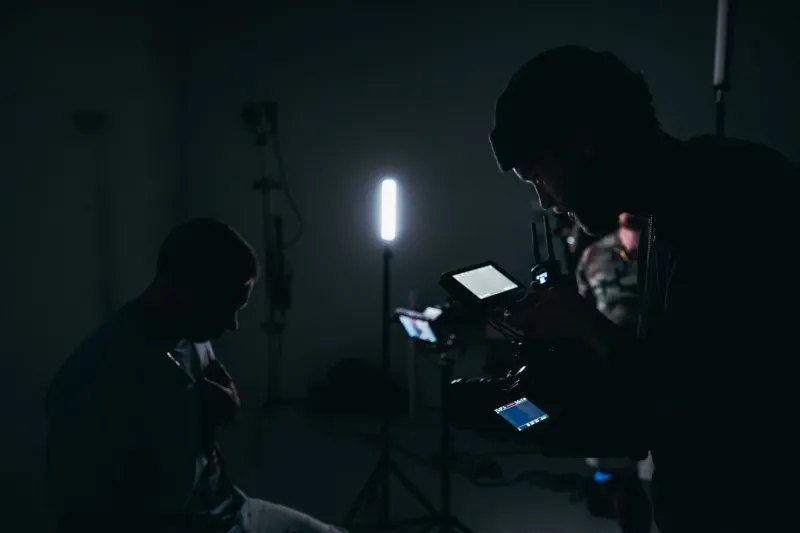
Somewhere between a song's first beat and its final fade-out, a director has maybe three minutes to make you feel something you can't entirely explain. That window used to be enough for a performance clip, a narrative sketch, maybe a clever concept if the budget held. But something has shifted in the American music video landscape over the last several years, and the shift glows — literally.
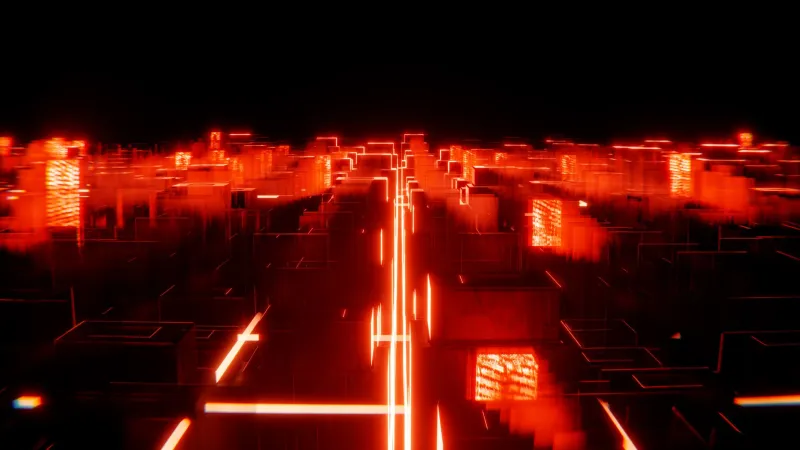
A new generation of US-based directors is treating the music video not as a marketing deliverable but as a legitimate visual art form. Their toolkit leans heavy on neon-saturated cinematography, cyberpunk production design, and a willingness to push digital color grading into territories that would make a traditional cinematographer nervous. The result is a body of work that's quietly redefining what a music video can be — and building an audience that shows up for the visuals as much as the music itself.
The Directors Rewriting the Rules
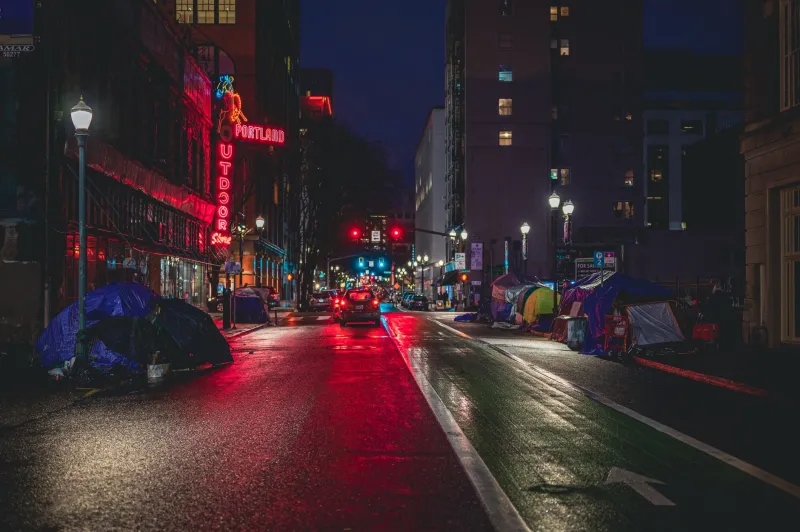
Los Angeles-based director Jalen Morrow has built a reputation working primarily in hip-hop, collaborating with artists whose lyrical content gives him room to build dense, layered visual worlds. His approach is almost architectural — he talks about constructing frames the way a set designer builds a room, using neon practical lighting as both a mood tool and a storytelling device. In one recent project, a rain-soaked warehouse district becomes something closer to a fever dream, every puddle turned into a mirror for pink and violet tube light. The song is about isolation. The visuals make you feel it in your chest.
"Neon isn't decoration for me," Morrow has said in interviews. "It's emotional information. The color temperature tells you how to feel before a single word lands."
On the synth-pop side, Brooklyn-based Vera Castillo has developed a visual style that owes as much to Japanese city-pop aesthetics as it does to American underground club culture. Her work tends toward tighter compositions — close faces half-lit by fluorescent signage, hands moving through beams of colored light, cityscapes shot through rain-smeared glass. She's worked with emerging synth-pop acts who specifically seek her out because they want their videos to feel like they belong in a gallery as much as a YouTube playlist.
Castillo's philosophy centers on restraint. "Anyone can flood a frame with neon," she's explained. "The harder thing is knowing which single light source does the emotional work. I'm always looking for the one glow that tells the whole story."
What Streaming Did to the Ambition Level
It's worth pausing on the platform question, because the infrastructure around music video distribution has changed the creative conversation in ways that aren't always obvious from the outside.
YouTube has been the dominant delivery mechanism for music videos for over a decade, but the platform's shift toward higher-resolution playback and its algorithm's increasing appetite for watch-time — not just clicks — has quietly pushed directors toward more visually immersive work. A video that rewards a second and third viewing holds attention longer. Apple Music's editorial video programming has added another layer, giving certain directors access to budgets and curatorial positioning that elevate the format toward something closer to prestige short film.
The numbers matter here. A visually distinctive video that circulates on social media as individual stills and GIF clips extends a song's cultural footprint well beyond its initial release window. Directors who understand how to create frames that work as standalone images — a neon-lit portrait, a single glowing hallway, a face split by competing color sources — are effectively building two audiences simultaneously: listeners and viewers.
Marcus Teel, a Chicago-based director who works extensively in indie rock, talks about this dynamic directly. His videos are frequently dissected frame-by-frame in online communities dedicated to cinematography and visual design, which he sees as a signal that the format is evolving. "The music video used to live and die in the moment of the song," he says. "Now it has a longer life. People screenshot it, they post stills, they talk about the lighting choices. That changes how you think about every single frame."
Cyberpunk Aesthetics as Emotional Language
The cyberpunk visual vocabulary — neon signage, rain-wet pavement, high-contrast shadows, urban density shot at night — has been circulating in American visual culture for decades. But what's interesting about its current deployment in music videos isn't the aesthetic itself so much as how specifically directors are using it to carry emotional weight.
In Morrow's work, neon functions as a marker of loneliness in crowded spaces — the classic noir problem translated into electric color. In Castillo's videos, it's more about desire and proximity, the way light can make something feel simultaneously close and unreachable. Teel tends toward a more abrasive version of the aesthetic, using flickering and unstable light sources to create visual anxiety that mirrors the tension in the music.
What unites them is a shared belief that the cyberpunk palette isn't a genre costume — it's a set of emotional tools that happen to look extraordinary on a high-resolution screen.
The Art World Is Paying Attention
It's not just music audiences who've noticed. Several of these directors have been approached about exhibiting their work in gallery contexts, and the conversation about whether music videos constitute a serious art form is happening with more urgency than it has in years. The comparison to the early 1980s MTV era — when directors like Michel Gondry and Spike Jonze were building careers that would eventually cross into feature film and fine art — is one that comes up frequently.
But the current moment feels distinct in one important way: the neon-futurist aesthetic running through so much of this work has a specific cultural resonance right now. It connects to broader conversations about digital identity, urban experience, the texture of contemporary American life viewed through a screen. These directors aren't just making things that look cool. They're making visual arguments about where we are and what it feels like to be here.
Three Minutes Is Enough
The music video has been declared dead, diminished, or irrelevant roughly every five years since the format emerged. It keeps surviving because it keeps finding new reasons to exist — new technologies, new platforms, new generations of directors who see the constraints as an invitation rather than a limitation.
Right now, in the hands of directors like Morrow, Castillo, and Teel, the three-minute music video is functioning as one of the most concentrated and exciting canvases in American visual culture. It's neon-lit, cinematically ambitious, and completely unwilling to be background content. Watch it full screen, in the dark, with the volume up. That's the only way it makes sense.