Sold on the Glow: How Neon Became a Brand and Lost Its Soul
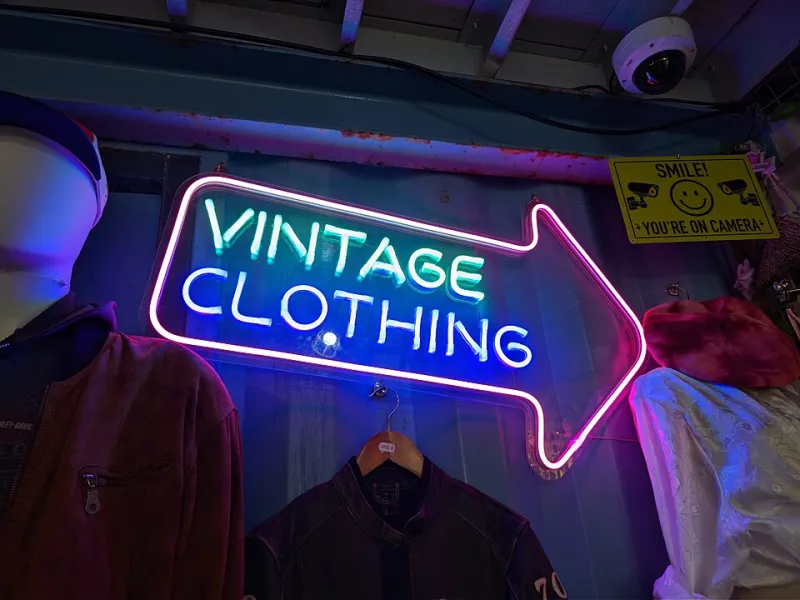
Photo: Celsoazevedo, CC BY 4.0, via Wikimedia Commons
There's a bar in every mid-sized American city right now. You know the one. The exposed brick. The Edison bulbs. And yes — that pink or purple neon sign glowing behind the bar, probably spelling out something like Good Vibes Only or You're My Favorite in looping script. It's pretty. It photographs beautifully. And it means absolutely nothing.
That's the neon nostalgia trap in a nutshell, and honestly, a lot of us walked into it with our phones already raised.
The Original Charge
Neon wasn't born soft. When gas-discharge lighting first lit up American streets in the 1920s and 30s, it was loud, aggressive, and a little bit reckless. It belonged to the margins — late-night diners, roadside motels, strip clubs, bail bondsmen, pawn shops. It was the visual language of places that operated outside polite society, or at least outside business hours.
The countercultural energy stuck. By the time cyberpunk writers were putting neon into their dystopian futures in the 1980s, the association was already locked in: neon meant the city at its most raw, most honest, most dangerous. Blade Runner didn't invent that. It just crystallized what the culture already felt.
That edge is exactly what made neon so visually compelling. It wasn't just a light source. It was a signal — something interesting is happening here, probably after midnight, probably not for everyone.
When the Aesthetic Got Packaged
Somewhere around 2015, the vibe shifted. Pinterest boards started filling up with neon signs as bedroom decor. Etsy shops began selling LED "neon" strips shaped into hearts and lightning bolts. Instagram discovered that neon backgrounds made selfies look incredible, and suddenly every brand from athleisure startups to artisanal coffee roasters wanted a piece of that electric glow.
This isn't a conspiracy. Nobody sat in a boardroom and decided to drain neon of its meaning. It happened organically, the way most aesthetic movements get absorbed and neutralized — slowly, then all at once. The market saw something people responded to emotionally, and the market did what the market does.
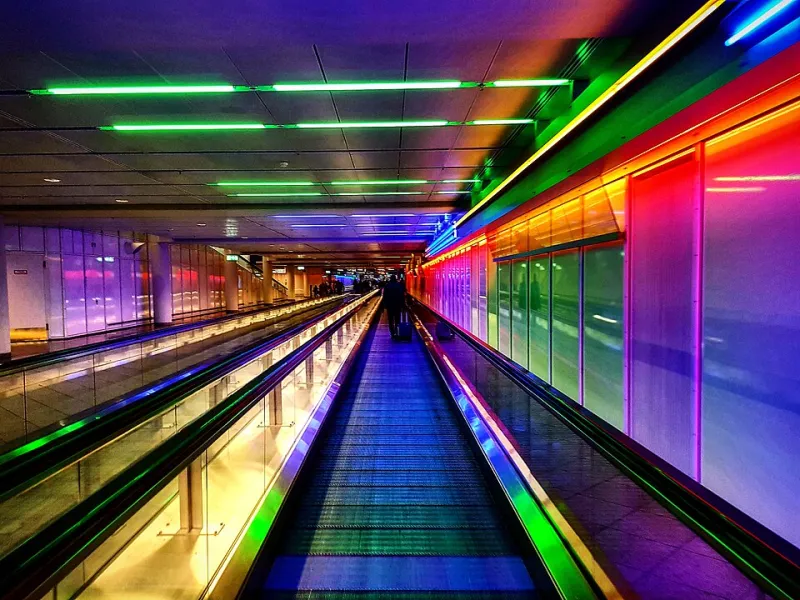
The result is that neon's visual grammar has been almost entirely decoupled from its cultural history. The signs that once marked the fringes now mark the center. They're in hotel lobbies, corporate offices, influencer studio setups, and yes, those bars. The glow is everywhere. The edge is gone.
The Preservation Paradox
Here's where it gets complicated, because the conversation isn't as simple as "commercialization bad, authenticity good."
Many of the people most passionate about preserving real neon craftsmanship — the glass tube benders, the gas chemists, the sign restorers — have benefited directly from neon's mainstream moment. When Brooklyn boutiques and Nashville brunch spots started ordering custom neon, small artisan shops that might have closed got a lifeline. The money from trend-driven clients has, in some cases, kept traditional skills alive.
So there's a genuine tension here. Dismiss the commercialized version entirely, and you risk being a purist who inadvertently accelerates the death of the craft itself. Embrace it uncritically, and you participate in flattening something rich and specific into a generic mood board element.
The question isn't really whether neon should be popular. It's whether popularity necessarily destroys meaning — and whether we're honest enough with ourselves to notice when it does.
Retro-Futurism as a Product
Part of what makes neon so marketable right now is its strange relationship with time. It feels simultaneously vintage and futuristic, which is a rare and commercially potent combination. Brands love it because it lets them say we have history and we're forward-thinking in a single image.
But that "retro-futurism" framing is itself a kind of trap. It's nostalgia for a future that never quite arrived — the gleaming, electric tomorrow promised by mid-century optimism and then rerouted through cyberpunk pessimism. When we buy into the aesthetic, we're not connecting to any real past or any actual future. We're buying a curated emotional experience, a vibe engineered to feel meaningful without requiring us to engage with anything genuinely uncomfortable.
Real neon, historically, was uncomfortable. It was the light that stayed on when everything else went dark. It was the sign above the place you weren't supposed to be.
What Authenticity Actually Looks Like
None of this means neon is ruined. But it does mean that finding the real thing requires more effort than it used to.
The artists doing genuinely interesting work with neon right now aren't the ones making aesthetic content for brand deals. They're the ones using light as an actual medium — to challenge, to disorient, to say something specific about a specific place or moment. They're the sign restorers pulling decades of American roadside history out of storage. They're the guerrilla installers putting light in places nobody asked for it.
They exist. They're working. They're just not always the first thing that comes up when you search "neon aesthetic."
The nostalgia trap isn't inevitable. But escaping it means being willing to ask harder questions about why we love what we love — and whether we're responding to the glow itself or just to a very well-designed illusion of it.
The light's still out there. You just have to be willing to look past the sign that says Good Vibes Only to find it.