Glow Up: Why Neon Sign Culture Is Lighting Up American Cities Again
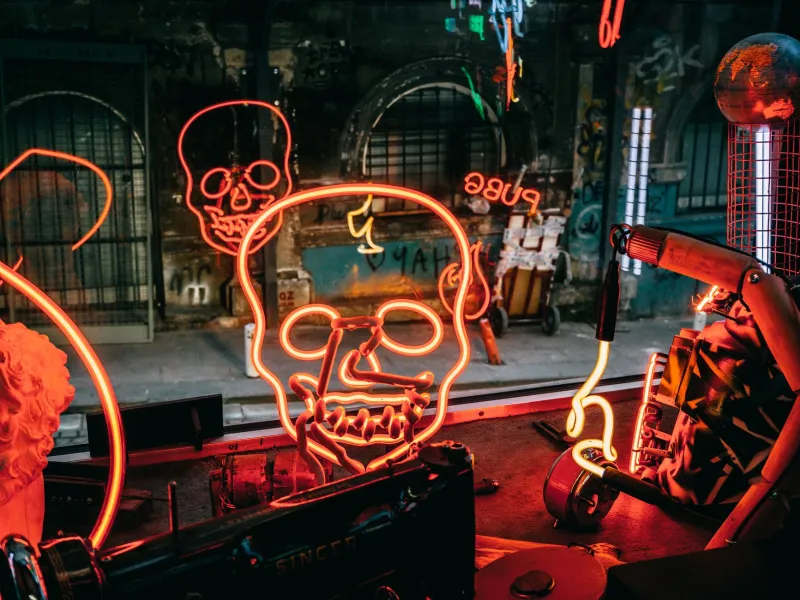
There's something almost primal about the way neon light hits you. That warm, buzzing glow — pink, cobalt, electric green — doesn't just illuminate a space. It transforms it. And after decades of being overshadowed by cheaper alternatives and sterile digital displays, neon is roaring back into the American visual landscape in a way nobody fully predicted.
This isn't nostalgia for nostalgia's sake. What's happening right now in cities from Las Vegas to Baltimore to Portland is something far more interesting: a genuine cultural renegotiation of what neon means, who makes it, and where it belongs in a world increasingly shaped by pixels and algorithms.
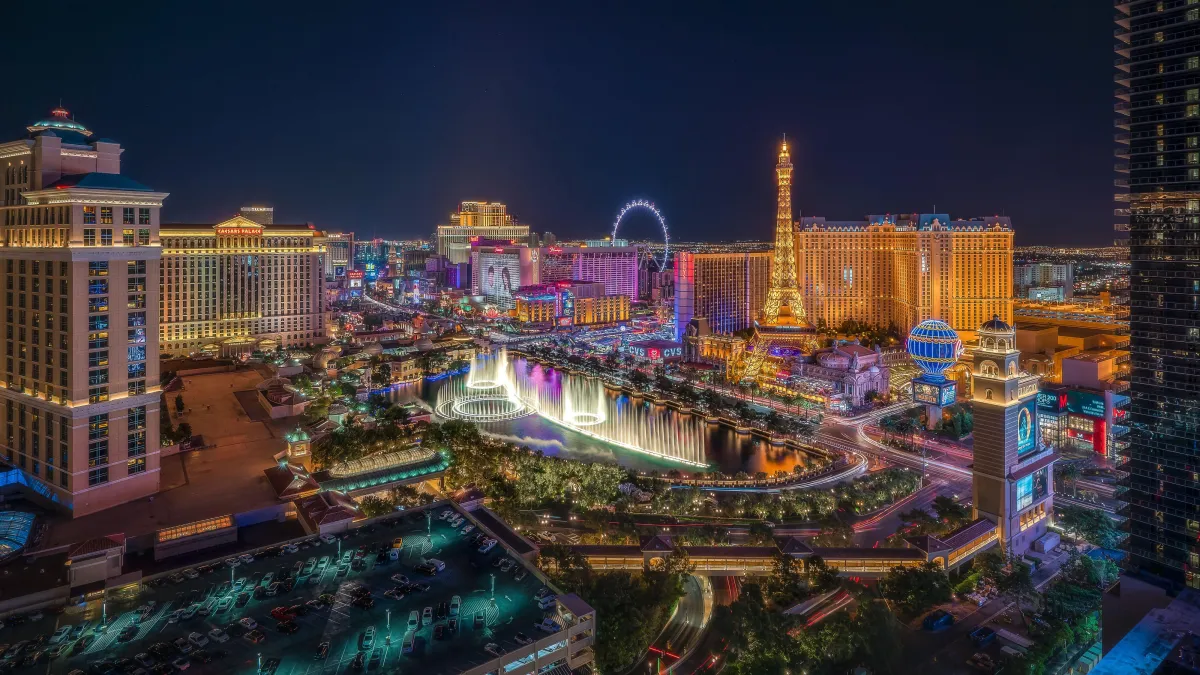 Photo: Las Vegas, via wallpaperaccess.com
Vegas Isn't Just Preserving History — It's Reinventing It
Las Vegas has always been the spiritual home of neon in America. The Neon Museum on Las Vegas Boulevard has been collecting and restoring vintage signs since 1996, but lately the institution has leveled up in a big way. Their "Brilliant!" experience — a nighttime projection mapping event held inside the museum's outdoor Boneyard — layers generative digital art directly onto restored signs from the city's golden era. Think mid-century casino lettering getting a cyberpunk makeover, with animated light sequences that respond to music in real time.
 Photo: Neon Museum, via wallpapercave.com
"We're not trying to freeze these signs in amber," said one of the museum's creative directors in a recent public talk. "We want people to feel the original energy AND understand that this visual language is still alive, still evolving."
That philosophy is spreading. Downtown Las Vegas's Fremont Street Experience, already famous for its LED canopy, has been commissioning local artists to create neon-inspired digital murals that blend seamlessly with the physical signage around them. The result is this gorgeous, layered visual environment where you genuinely can't tell where analog ends and digital begins.
Brooklyn's Bench-Made Neon Revolution
On the other coast — well, other side of the country — Brooklyn has quietly become a hub for a new wave of neon artisans. Studios like those tucked into Bushwick and Greenpoint are doing something that feels almost countercultural right now: making neon by hand, tube by tube, flame by flame.
Artists like Maya Solis, who runs a one-woman studio out of a converted warehouse space, have built serious followings on Instagram by documenting the entire process — from sketching a design to bending hot glass to the moment the gas ignites and the sign comes to life. Her work tends toward the surreal: anatomical hearts wrapped in glowing vines, phrases in Spanish and English that flicker like they're thinking.
"People are hungry for something that has a body to it," Solis told us over the phone. "Digital art is incredible, I love it, but there's something about knowing a human hand bent that glass that hits different. You can feel the labor in it."
Solis isn't alone. The Brooklyn neon scene has exploded enough that local art spaces now run neon-bending workshops that sell out within hours of being posted.
The Tech Crossover Nobody Saw Coming
Here's where things get really interesting for the NeonHyper crowd. The most exciting work happening in this space isn't purely traditional neon OR purely digital — it's the collision of both.
Generative artists are building software that simulates the specific light physics of neon tubes, including the halo glow, the subtle flicker, the way neon light behaves differently on wet pavement versus brick walls. Some of these simulations are being used to prototype real physical installations before a single tube gets bent.
Meanwhile, LED technology has gotten sophisticated enough that it can now replicate the warm, slightly irregular quality of real neon gas — something that was genuinely impossible five years ago. Companies like Sygns and similar boutique fabricators are creating hybrid installations that use both real neon glass and programmable LED strips, allowing artists to create dynamic pieces that shift and animate while still retaining that authentic glow.
Public art installations in cities like Chicago, Austin, and Miami are increasingly incorporating these hybrid approaches. The BeltLine corridor in Atlanta, for instance, has seen several new murals that incorporate neon-lit sculptural elements alongside traditional painted surfaces, creating immersive environments that look dramatically different at night than they do during the day.
Why Gen Z and Millennials Are Obsessed
Ask anyone in the neon art world why younger audiences have latched onto this aesthetic so hard, and you'll get a few different answers — but they all orbit the same core idea.
"It's retro-futurism, basically," says digital artist and neon enthusiast Jordan Kwame, who creates neon-drenched city scenes using Blender and shares them to his 200K+ Instagram following. "Neon looks like the future that the past imagined. And right now, a lot of us are pretty skeptical about what the actual future looks like. So there's something comforting about that older version of it."
There's also a tactile, anti-algorithmic quality to neon that resonates with people who've grown up entirely online. In a visual landscape dominated by flat design, minimalism, and the relentless scroll, neon is loud. It demands attention. It occupies physical space. It hums.
For a generation that grew up with screens but is increasingly craving physical experiences, neon sits in this perfect sweet spot — visually familiar from digital art and gaming aesthetics, but grounded in a craft tradition that feels genuinely human.
What's Next for American Neon
The trajectory here seems pretty clear: neon as an aesthetic language isn't going anywhere. If anything, it's getting richer and more complex as traditional craftspeople, digital artists, and urban designers start working in closer conversation with each other.
Cities are starting to recognize that neon-rich environments are good for tourism, good for local identity, and genuinely beloved by residents. Preservation efforts in cities like Portland and New Orleans are protecting vintage signs that would have been torn down a decade ago. New commissions are going to artists who understand both the heritage and the future of the medium.
And in studios across the country — whether they're bending glass or rendering light in Blender — a new generation of artists is making sure that the neon dream stays plugged in.
The glow isn't fading. It's just getting started.